
Poirier's Blueprint for Paddy
An Expert with a Unique Perspective
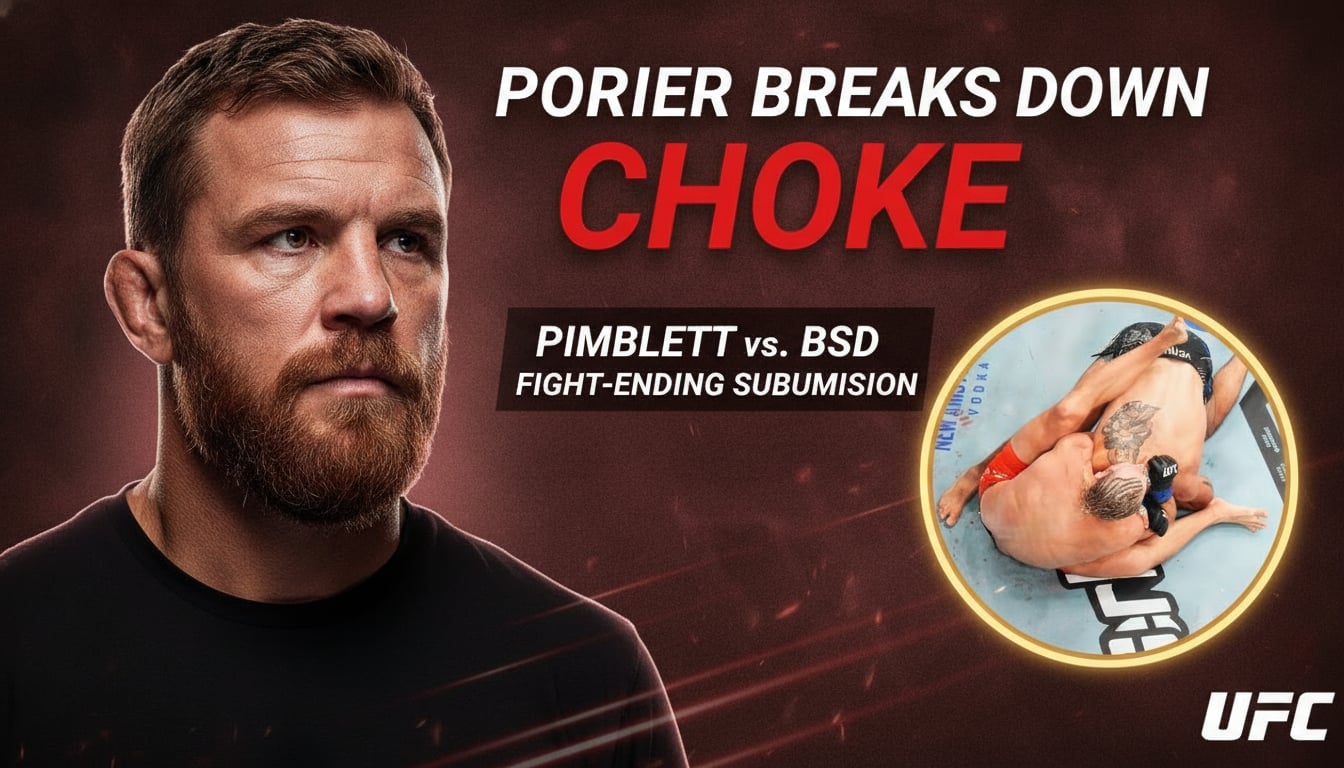
The UFC’s lightweight division is a perpetual shark tank, and few matchups generate as much fan excitement as the potential clash between Paddy "The Baddy" Pimblett and the relentless Benoit Saint-Denis. It’s a classic grappler-vs-mauler scenario, and the speculation is endless. But when the man who most recently faced and defeated BSD weighs in, everyone listens. In a new episode of "THE FIGHT," legendary trainer Teddy Atlas sits down with Dustin "The Diamond" Poirier, who offers a masterclass on a potential path to victory for Pimblett.
Poirier’s insight is invaluable. He isn’t just an analyst; he’s a veteran who weathered the ferocious storm that Saint-Denis brings. He experienced the Frenchman's suffocating pressure and raw power firsthand before securing a highlight-reel knockout. For him to now break down a submission strategy against that same opponent provides a rare and credible glimpse into the tactical chess required to win at the elite level.
Deconstructing the Submission
The focus of Poirier’s analysis, as detailed in the video, is a specific submission finish. While fans know Paddy Pimblett for his slick grappling and affinity for the rear-naked choke, Poirier appears to dive much deeper. He reportedly breaks down the intricate mechanics that make a submission effective against a powerhouse like Saint-Denis. This isn’t just about catching a neck; it’s about the setup, the control, and the microscopic details that precede the finish.
According to the breakdown, Poirier emphasizes the importance of positioning and control—the subtle shifts and grips that drain an opponent’s energy and create the opening. He details the finishing touches that transform a dangerous position into an inescapable, fight-ending hold. For any aspiring fighter or dedicated fan, this is a look under the hood at the high-level BJJ that often decides contests in the 155-pound division.
Exploiting the Relentless Storm
What makes this analysis so compelling is its specific application to Benoit Saint-Denis. BSD’s greatest strength is his overwhelming, forward-moving aggression. He forces opponents into chaotic exchanges and looks to break their will. However, that very aggression can create openings for a savvy submission artist. An overzealous takedown attempt or a scramble on the mat can expose the back or leave a limb vulnerable.
Poirier’s breakdown seems to zero in on this dynamic. He is likely explaining how Pimblett could use Saint-Denis’s own momentum against him, turning his offensive pressure into a defensive liability. It’s a strategy of being the calm eye in the center of the hurricane, waiting for the precise moment to capitalize. Coming from the man who used calculated counter-striking to achieve the same result, this grappling-focused blueprint carries immense weight.
Lightweight Chess at the Highest Level
Ultimately, this conversation between Poirier and Atlas is more than just a technical tutorial. It’s a fascinating glimpse into the strategic mind of one of the sport's greatest competitors. It underscores the constant evolution required to stay at the top of the lightweight ladder. For Pimblett, it’s a potential roadmap from an unlikely source. For Saint-Denis, it’s a public breakdown of a potential vulnerability he must address.
As the lightweight division continues to move, with new contenders rising and established veterans holding their ground, matchups like Pimblett vs. Saint-Denis are what keep the sport so compelling. And with expert analysis from fighters like Dustin Poirier, the conversation around these potential clashes becomes richer, more informed, and infinitely more exciting for the fans watching at home.